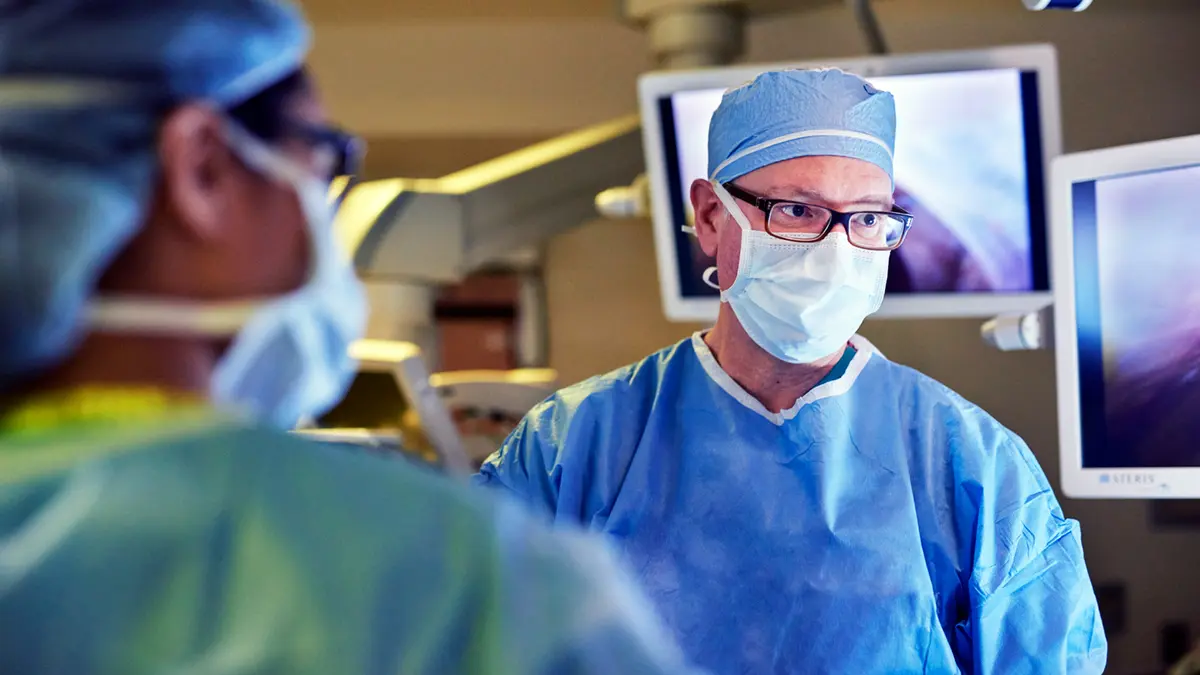
Many people with lung cancer, or possible lung cancer in a nodule, have surgery to remove the tumor or nodule. The type of surgery depends on the type of lung cancer you have and its stage.
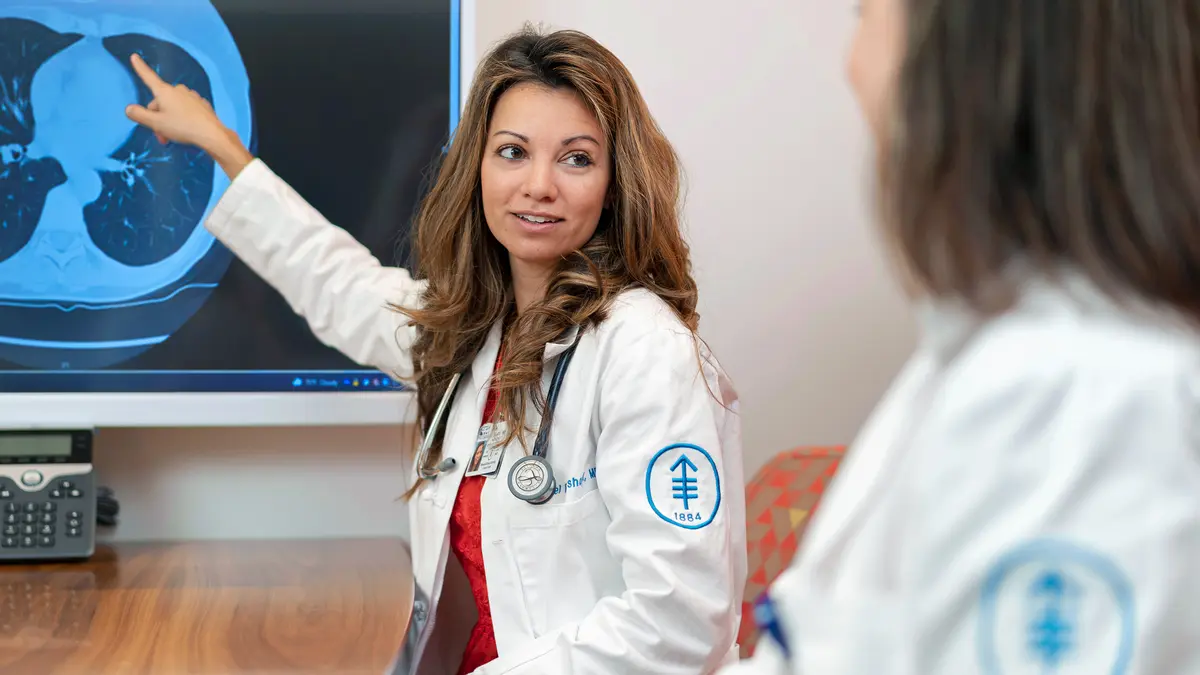
There are many options for treating people with lung cancers. You may feel overwhelmed as you explore them.
This guide will help you better understand your options and get ready to talk with your care team. You’ll have the information you need to make the best decisions for your care together.
Your care team includes doctors, nurses, and other experts in cancer that starts in the chest. Our lung cancer experts will make a treatment plan just for you.
Your personal lung cancer treatment plan will target the type and stage of lung cancer you have. It will be based on the latest research and therapies. During your treatment, you may have a few therapies for the best results.
Your MSK care team will talk with you about the best therapies for you. You may have one treatment, or a few treatments together. Lung cancer treatments can include:
Many people with lung cancer, or possible lung cancer in a nodule, have surgery to remove the tumor or nodule. The type of surgery depends on the type of lung cancer you have and its stage.
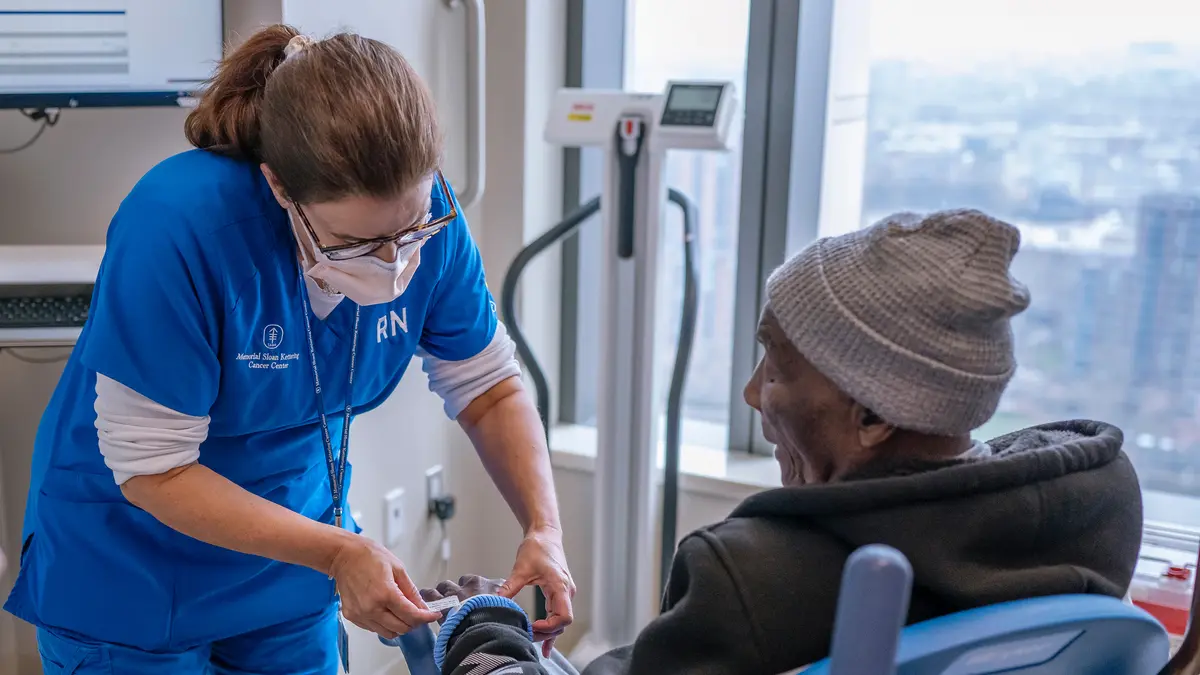
Radiation therapy uses high-energy X-rays to kill cancer cells. We use radiation therapy to treat people for many types of lung cancer.
Chemotherapy, targeted therapies, and immunotherapy are called systemic therapies. Treatments are given by mouth, intravenous (IV) infusion, or injection (shot). They spread throughout the body to treat cancer.
Interventional radiology uses precise image-guided procedures to diagnose and treat cancer and relieve symptoms. These treatments are minimally invasive and often have faster recovery times.
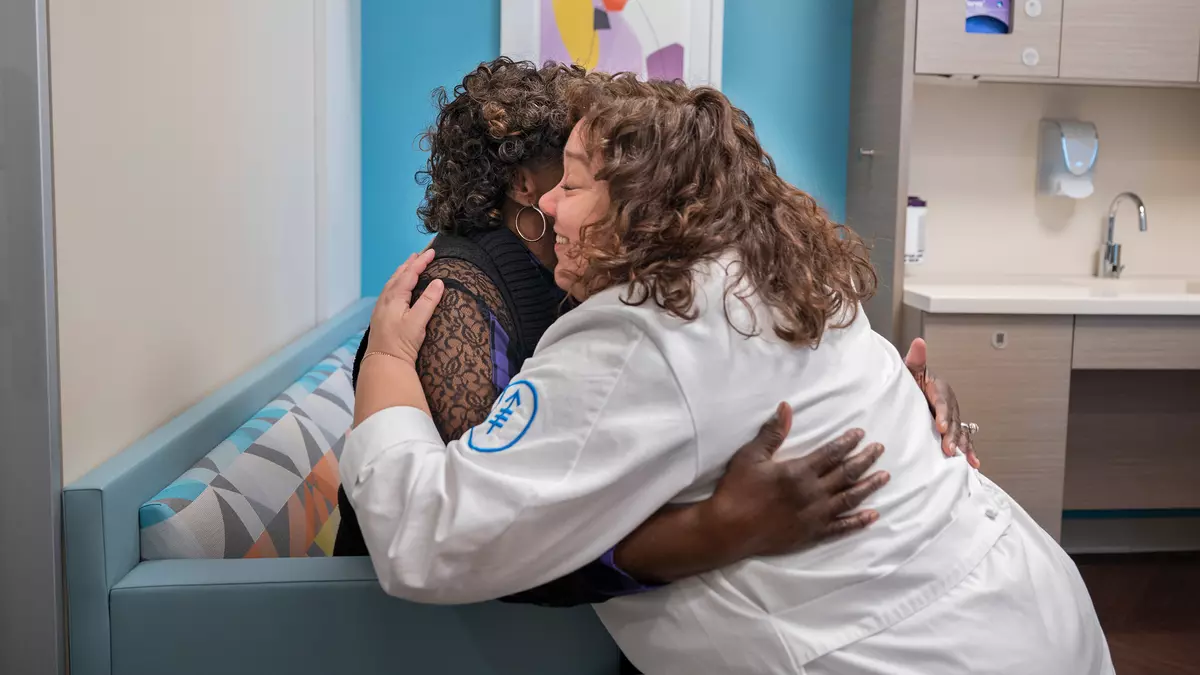
We care for every person with kindness, warmth, and respect.
Your care team includes doctors, nurses, and other experts who focus on lung cancers. They work together using the latest science and research to create your care plan. It will focus on what matters most to you, and the treatment that’s best for your type of lung cancer.
To learn which genes are helping a tumor or a possible tumor nodule (NAH-jool) grow, we may do genetic testing on them. A nodule is a growth or lump that may be cancer or benign (not cancer).
The genetic information from the tests tells us if a treatment aimed at a gene is right for you.
At MSK, we take care of the person, not just the cancer. We offer support and resources to help you during and after lung cancer treatment.
Your care plan may include nutrition advice, physical therapy, exercise, and mental health support. Our rehabilitation experts help you manage the side effects of lung cancer and its treatments.
Many people with cancer prefer to get treatment closer to home. MSK provides excellent cancer care on Long Island and in locations in Westchester County, New Jersey, and New York City. You can meet with your surgeon and have chemotherapy, radiation therapy, and genetic testing.
MSK’s lung cancer experts will work with you to choose a treatment that’s best for you.
Your care team may talk with you about joining a lung cancer clinical trial.
Anyone can join a clinical trial from the very start of treatment, if there’s one that’s right for you.
MSK strongly encourages people from all races, genders, ages, and backgrounds to join clinical trials. It’s very important for research studies to include people from many backgrounds. It’s how our researchers can learn if a new treatment works for everyone, not just one group of people.
Clinical trials are research studies to test new treatments, procedures, or devices to see how well they work. Every cancer treatment given to a person was first tested in a clinical trial.
Clinical trials can help us learn about new lung cancer drugs, such as:
MSK has one of the country’s largest cancer clinical trials programs. At each MSK site, our research team screens and matches people to open clinical trials that best fit your treatment needs.
If you join a clinical trial, you may be able to try new drugs to treat your type of lung cancer. Our patients may get a new treatment at MSK years before it’s offered at most other places.
Researchers follow strict rules to make sure all clinical trials are safe. The MSK research team will answer your questions and help you get ready for the trial. We follow your progress and keep you safe every step of the way.
sometimes years before they’re available to everyone.
from your expert care team.
for treatments you get during a clinical trial.
Our experts are always finding new ways to treat lung cancer and manage side effects. Explore the latest lung cancer news from MSK.
Thoracic medical oncologist Dr. Mark Awad says new treatments for lung cancer include a growing number of targeted therapies and new forms of immunotherapy.
At MSK, your care is always a team effort. Our care teams combine the skill and experience of many kinds of lung cancer experts. They work together to give you the best cancer treatment.
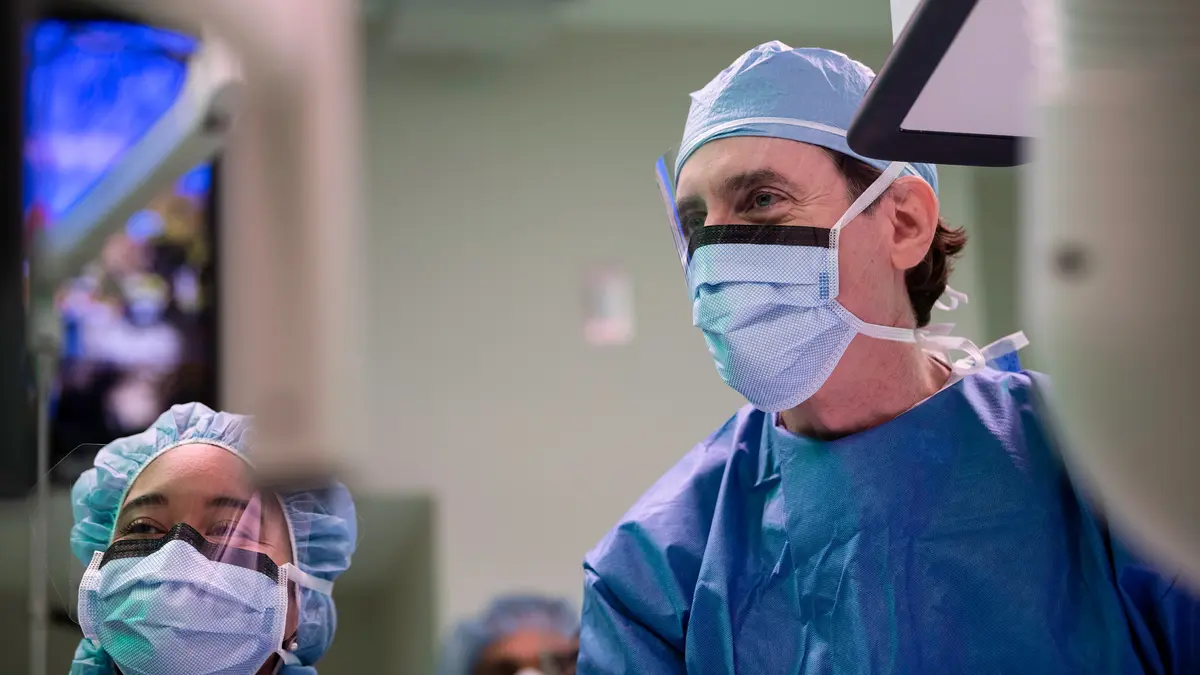
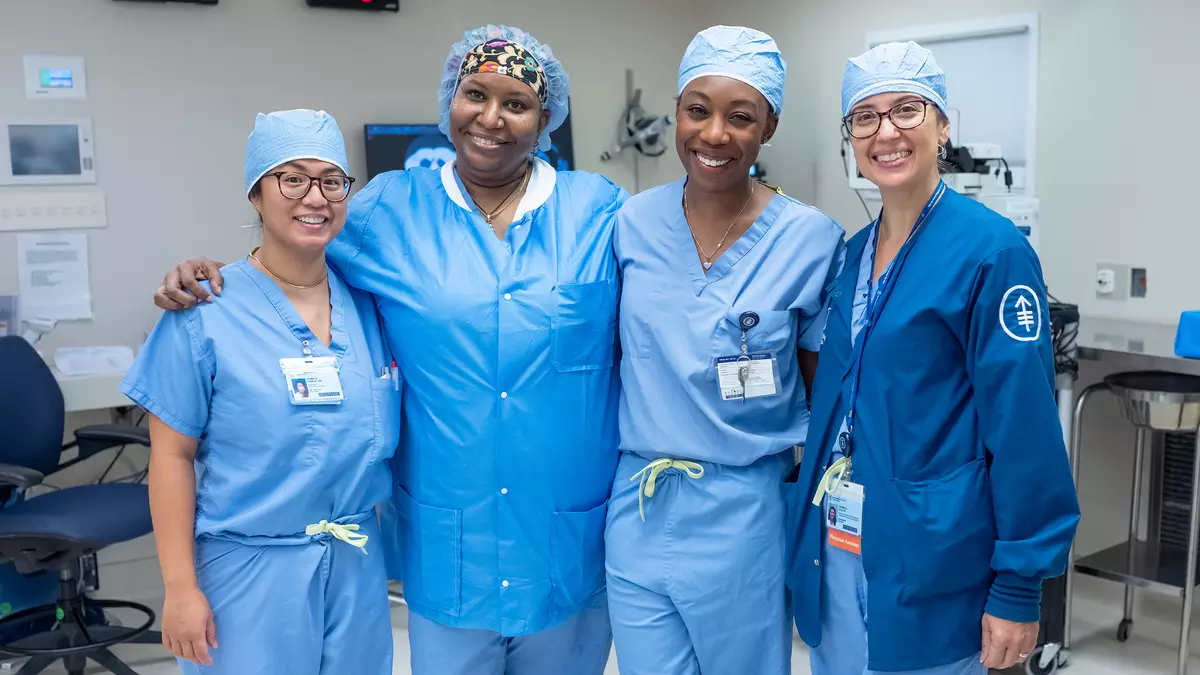
Thoracic surgeon Dr. Alexis Chidi (second from right) with her surgery team.
Your care team has special training in how to diagnose and treat lung cancer. Their goal is to support you during and after treatment for lung cancer.
We take care of the person, not just the cancer. Our social workers are here to help you and your family with the emotional, social, and physical effects of cancer.
Your care team will include doctors, nurses, and healthcare providers who are experts in lung cancer. They include thoracic surgeons, medical oncologists (cancer doctors), radiation oncologists, and radiologists.
Your team meets with a panel of experts who review and talk about your diagnosis. They discuss new ideas and the latest research. This expert panel then works together to choose your treatment plan.
A thoracic (thor-A-sik) surgeon is a doctor with special training in surgery for the chest, lungs, airways, esophagus (swallowing tube), and thymus. They’re also known as a chest surgeon.
A thoracic medical oncologist is a cancer doctor who specializes in thoracic cancers. These are cancers that have to do with the chest, including lung, tracheal (windpipe), and thymic (thymus) cancers.
A radiation oncologist is a cancer doctor with special training in using radiation therapy (RT) to treat cancer with radiation.
A radiologist is a doctor with special training in using imaging to diagnose and treat diseases, such as lung cancer. Imaging includes X-rays, computed tomography (CT), and magnetic resonance imaging (MRI).
A pulmonary medicine expert is a doctor with special training in diagnosing and treating diseases of the respiratory system. This includes the lungs, airways, and breathing muscles.
An interventional pulmonologist (IN-ter-VEN-shun-al pull-muh-NAHL-uh-jist) is a doctor with special training in treating lung problems, such as blocked airways, cancer, and tumors.
A pathologist is a doctor who uses a microscope to make a diagnosis from cell and tissue samples. They analyze the samples to learn the cause and effects of a health condition.
A social worker is a healthcare provider with special training in helping people cope with problems in their lives. They support you emotionally by providing counseling and practical help.
Our Care Advisors will match you with the right lung cancer experts for you.
Cancer treatment affects your body and emotions. The experience is not the same for everyone. We will support you during your treatment.
But you’re also a person with a life beyond cancer. We want to help you get back to it. That’s why we have many programs and services to support you and your loved ones.
You can connect with other people going through cancer treatment in our virtual support groups, led by a social worker.
Or, you may need help with side effects of treatment. We have experts with special training in treating pain.
Your caregivers are a very important part of your care team. They need support, too. We have a Caregivers Clinic to help your loved ones cope with cancer.
Lung cancer and its treatment can cause side effects. There’s also a chance new tumors develop after treatment. Our Lung Cancer Survivorship Program offers special care for issues that come up after your treatment ends.
Follow-up exams are very important. Our Survivorship Program experts will monitor (watch) you for signs the lung cancer has recurred (come back).
Our Integrative Medicine Service offers complementary, natural, and holistic therapies. This includes acupuncture, meditation, massage therapy, yoga, and exercise.
You may want support to cope with side effects of treatment. These may include pain, fatigue (feeling very tired), nerve problems, nausea, insomnia, and stress.
Without using prescription drugs, integrative therapies can help improve and control side effects of cancer treatment.
Integrative medicine services are available in New York City, New Jersey, Westchester, and on Long Island. We also offer virtual classes and workshops.
Pain management is an important part of cancer care. MSK was the first cancer center in the country to have a service just for treating pain in people with cancer.
Our pain experts will help relieve or manage pain after surgery. They can help while you’re still in the hospital, and after you’re home.
We have experts who manage the symptoms and side effects of cancer treatment, such as nausea during chemotherapy.
We offer counseling and support to help you manage anxiety, depression, anger, or loneliness. There are individual and group counseling sessions, both in person and through telemedicine visits. Counseling is open to you and your family, separately or together.
We also run support groups and programs if you want to talk with other people going through a similar experience. Our social workers can offer information on how to talk about your diagnosis with family members, work colleagues, and friends.
Lung cancer treatment can affect your digestion (how your body breaks down the food you eat). It can change your taste, how you eat, and how hungry you are.
Our clinical dietitian nutritionists can help with:
MSK is a place where people of all genders and sexual orientations feel welcome and treated with respect. Our LGBTQI+ Cancer Care Program gives you the support you need during cancer care. It’s for LGBTQI+ people getting screened or treated at MSK, or in our survivorship program.
We believe cancer care needs to be as convenient as possible. We have lung cancer treatment locations in New York City, Westchester, on Long Island, and in New Jersey.
At our locations, you can meet with your care team and get your lung cancer treatment. You may be able to have chemotherapy or radiation therapy, or join a clinical trial.
MSK brings its expert care closer to you so you can get back home to what matters most.
We’ll guide you about where you can go for check-ups, procedures, or treatments, based on your diagnosis and treatments.